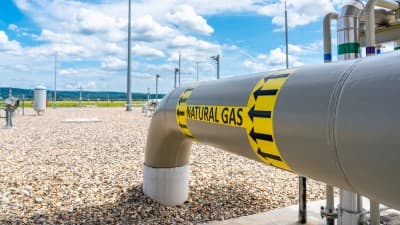
When your business needs fast, consistent and controllable energy, natural gas can be a great choice, which is why more than 16,000 New Zealand businesses rely on gas. For many businesses, gas provides energy that is responsive and easy to control. It can heat large spaces, cook with precision and provide continuous hot water, generate steam and support industrial processes that require high temperatures.
As New Zealand’s energy system changes, businesses are also hearing more about declining domestic gas production and what that could mean for the future. So where does gas still make sense, and what should businesses be thinking about?
When natural gas is the natural choice
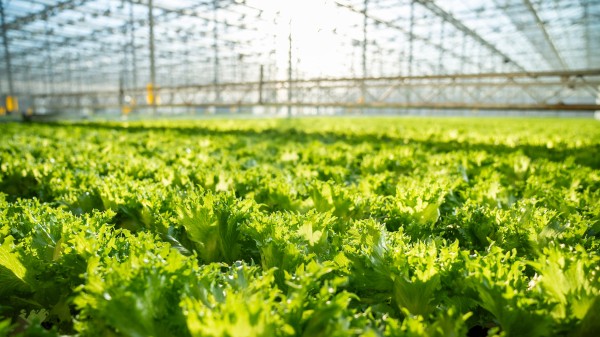
Sourced: iStock image of Greenhouse
Natural gas can make sense for businesses that use significant amounts of heat in their operations - heating large spaces or lots of water, for instance. That’s why many hotels use gas, because they can provide hot water for every guest, even when they’re at maximum capacity. Offices, warehouses and hospitals can use it for space heating.
Restaurants and cafés value the control and responsiveness of cooking over a flame. Chefs love cooking with gas, because it means they can flambé, char, and use woks and curved pans. A 2021 Restaurant Association survey found 94% of New Zealand’s Restaurant Association members use gas in their commercial kitchens.
Gas is also incredibly useful in processing and manufacturing, where businesses often need heat that is fast, responsive and easy to control. It can be used to generate steam for food production and cleaning and sanitising equipment. It also provides the process heat needed to turn milk into milk powder, manufacture steel and produce a range of other everyday products.
For some of these businesses, particularly those that need very high temperatures, simply switching from gas to electricity isn’t straightforward. It can require major changes to equipment and infrastructure and, in some cases, there may not yet be a practical or affordable alternative that can do the same job.
Gas networks operate separately from the electricity network, providing businesses with another energy option and contributing to energy system resilience.
What does changing gas supply mean for your business?
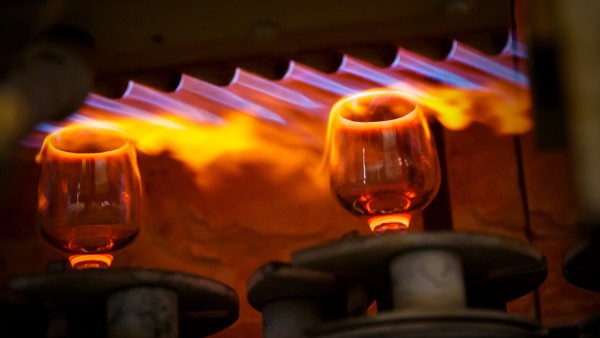
Sourced: iStock image Glass factory
New Zealand’s domestic natural gas supply is changing. MBIE’s latest Energy in New Zealand data shows natural gas production fell 14% in 2025, from 120 petajoules (PJ) to 103 PJ, as some of New Zealand’s mature gas fields decline.
Petajoules aren’t exactly an everyday measure, so it helps to put the numbers into perspective. New Zealand used around 105 PJ of natural gas in 2025. Around 34 PJ was used for electricity generation, 28 PJ by the chemicals sector including the production of methanol and fertiliser, and a further 28 PJ by other industrial users. This includes industries that rely on gas for process heat and steam, such as food and dairy processing, pulp, paper and wood processing, along with steel and glass manufacturing.
This is important context because the impact of tightening gas supply isn’t the same for every gas customer.
For the thousands of businesses using gas for things like cooking, heating, hot water and smaller-scale processing, gas continues to be delivered safely and reliably every day. While its always a good idea to evaluate your energy options, there is no need to make rushed decisions based on headlines about declining domestic production.
It’s a different story for large industrial users
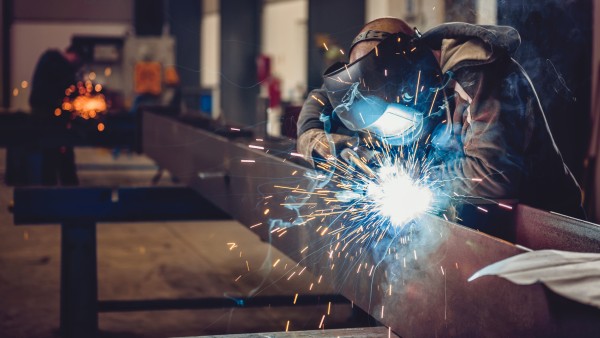
Source: iStock image of Steel factory
The situation is more challenging for large industrial users. They consume much greater volumes of gas and are therefore more exposed to changes in domestic supply and price. Methanex in Taranaki is a good example. New Zealand’s largest gas user consumed around 55 PJ in 2023, compared with around 21 PJ in 2025 as its New Zealand production reduced. During periods of tight energy supply, Methanex has reduced its methanol production and made gas available for other users, such as electricity generators.
In 2024, this helped ease pressure on an electricity market where wholesale prices had risen from roughly $300/MWh to more than $800/MWh during a period of low hydro inflows and constrained gas supply. Similar arrangements were used again in 2025 to make additional gas available for winter electricity generation. Some businesses may be able to move to alternative energy sources over time. For others, particularly industries that rely on high and controllable heat, changing energy sources can require significant capital investment, major infrastructure changes or may not yet provide an equivalent solution.
Why gas still matters in New Zealand’s energy system
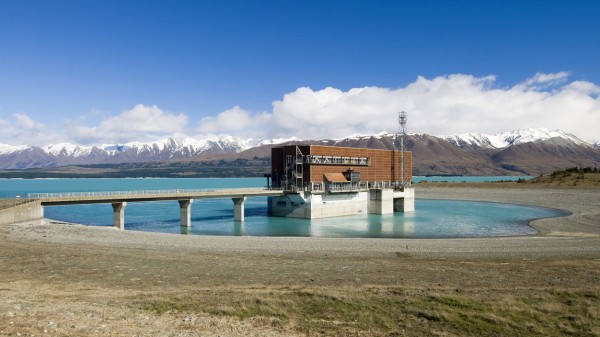
The Tekapo B hydro power station on Lake Pukaki, glacier water, low lake level.
New Zealand has a highly renewable electricity system, with MBIE reporting that 88.5% of electricity generation came from renewable sources in 2025. But renewable electricity is not available in unlimited quantities at every moment.
Gas-fired generation can provide flexible electricity when demand is high, particularly during cold winter mornings and evenings, or when renewable generation from hydro, wind and solar is lower.
This is why increasing renewable electricity and managing New Zealand’s future gas supply are not separate conversations. Both are part of ensuring businesses and households continue to have access to reliable and affordable energy as the system evolves.
What does the future of gas look like for your business?
There is no single energy pathway that will work for every business. For some, electrification may be practical and cost-effective. For others, natural gas may continue to be the best fit for their operations. Renewable gases and other emerging technologies may also become part of the energy mix, offering new options.
The role of gas is changing, but Gas Industry Co modelling indicates it could still have a role in New Zealand’s energy system in a net zero 2050 economy.
The important thing is to understand your energy needs, look at efficiency opportunities and plan ahead for major equipment or infrastructure decisions rather than being forced into rushed changes.
At Firstgas, our role is to safely and reliably transport and distribute gas through our networks. We continue to invest in and maintain those networks while helping customers understand how New Zealand’s energy system is changing and the options available to them.
You can read more about our role in New Zealand’s changing energy system at Future of Gas.