Thinking about replacing your cooktop? You might be wondering whether gas or induction is the best option for your kitchen. Both have their advantages, from cooking performance to installation and running costs. Here's what to consider when choosing the right cooktop for your home.
Considering the costs
Price is always an important factor when you’re picking new appliances, so how do gas and induction cooktops compare on cost?
Upfront costs are typically higher for an induction cooktop. Induction cooktop prices start from around $700 for a basic 600 mm model, average around $1,200, and go to $3,000 or more for larger and higher-spec designs. A basic four-burner gas hob starts from around $400, averages about $900, and can also cost several thousand dollars for higher-end models.
As for installation, the cheapest option is usually to replace like with like. Replacing an old gas cooktop with a new one will be simpler and cheaper than switching from gas to induction. On the other hand, if you have an old electric ceramic cooktop, replacing it with an induction cooktop may be less expensive than adding a new gas connection. However, bear in mind you might need to upgrade your wiring to accommodate it. This is because induction cooktops can draw much more power than an older ceramic model. It’s a good idea to get installation quotes first so you have all the facts at your fingertips before you choose.
Induction cooktops use less energy than gas cooktops to cook the same meal and can be slightly cheaper to run. However, the difference in cooking energy costs is relatively small, with EECA estimating savings of around $17 a year for a typical household switching from gas to induction.
Switching also comes with upfront costs, including purchasing a new cooktop and electrical installation. If you already use gas for hot water or heating, keeping your gas cooktop may be the more cost-effective option. It's also worth factoring in the daily fixed gas charge when comparing overall costs.
Switching to induction may also mean replacing some of your cookware. If your pots and pans are not magnetic, they won’t work on an induction surface, so it's worth factoring this into your overall costs.
Comparing the cooking experience

Sourced: iStock image
Gas and induction cooktops offer different cooking experiences.
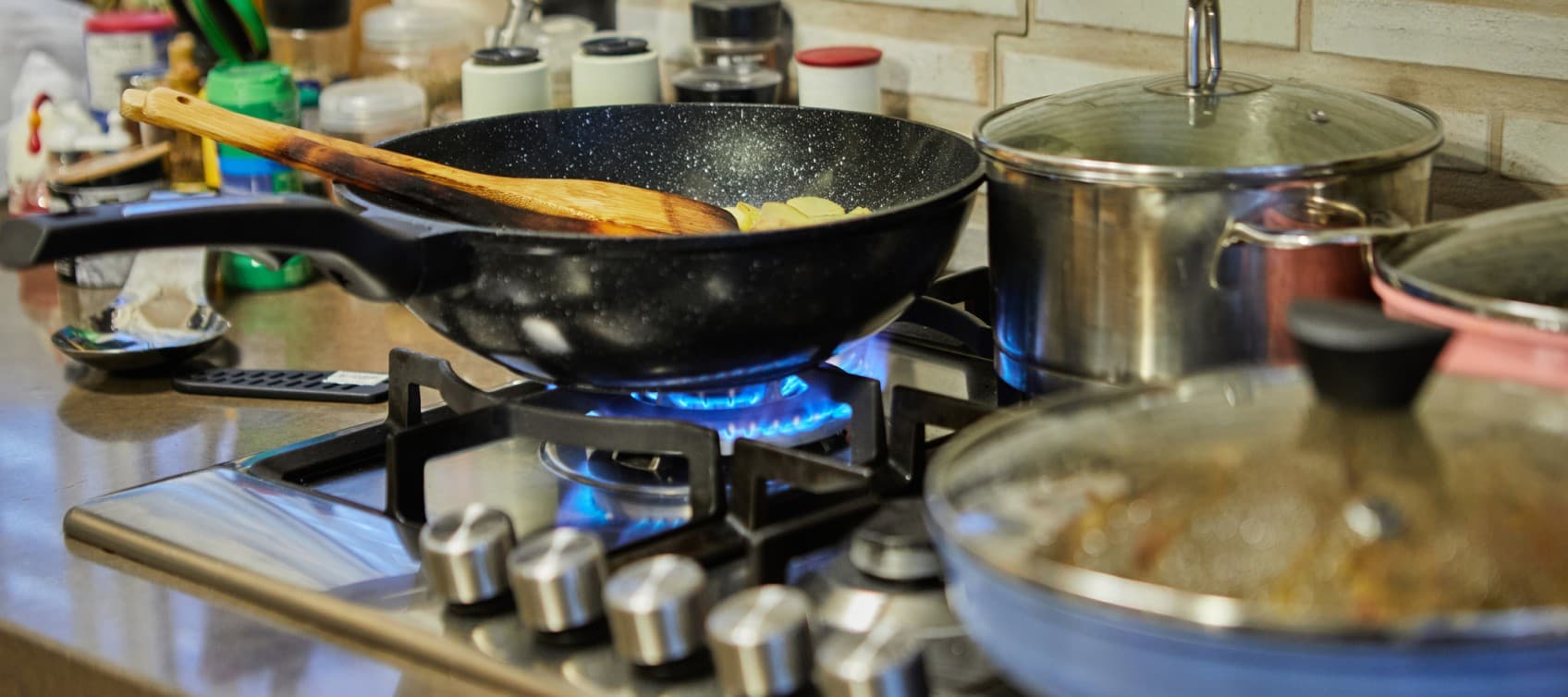
Many chefs and home cooks favour gas for its visible flame and responsive heat control. Gas is particularly popular for traditional wok cooking, where intense heat helps create wok hei, the distinctive smoky flavour associated with stir-frying. The direct flame also allows for cooking techniques such as flambéing and charring capsicums.
Induction cooktops offer rapid heating and efficient energy transfer. They heat compatible cookware directly, making them particularly effective for tasks such as boiling water.
What about indoor air quality?

Source: iStock image
All cooking can affect indoor air quality, whether you're using gas or induction. Gas cooking also produces combustion emissions, including nitrogen dioxide, which can affect indoor air quality.
Recent research commissioned by EECA examined the potential health impacts of indoor gas appliances. The findings have prompted discussion about the methodology used to estimate these impacts, including an independent review by Dr Brian Cox, commissioned by GasNZ, which questioned aspects of the modelling and interpretation of the evidence.
Good ventilation is important when cooking, regardless of the energy source. Using a rangehood that vents outdoors and opening windows where practical can help reduce indoor pollutants.
Gas cooktops should also be installed, maintained and used in accordance with relevant safety requirements.
What about the future availability of natural gas?
With recent news about declining natural gas production in New Zealand, you may be wondering what this means if you're considering a new gas cooktop.
While some of New Zealand's existing gas fields are reaching maturity, natural gas continues to play an important role in homes, businesses and industry.
Work is underway across the energy sector to support future gas supply, including opportunities for further exploration and development.
Firstgas remains focused on safely and reliably delivering gas through its pipeline network, both today and into the future.
Choosing the right cooktop for your home
When weighing up gas and induction, consider:
- Your existing energy sources – if you already have a gas cooktop, a gas replacement may be a cheaper and simpler option.
- The full installation costs – get quotes so you know the total price.
- Your cooking habits – if you love wok cooking and direct flames, gas could be right for you.
Whether you're upgrading your kitchen or building a new home, choosing the right cooktop comes down to your budget, cooking preferences and existing energy connections.
Natural gas remains an important energy source for thousands of New Zealand households. At Firstgas, we're focused on maintaining safe, reliable gas networks and supporting the delivery of gas into the future.
Learn more about the role of gas in New Zealand and how Firstgas is supporting its future.