Renewable electricity supplies most of New Zealand’s power, but its availability can vary and as the energy system evolves, having a range of options will help support a smooth transition and ensure energy remains available, affordable, and reliable when it matters most.
This is particularly important during periods of high demand or when renewable generation is affected by weather and seasonal conditions.
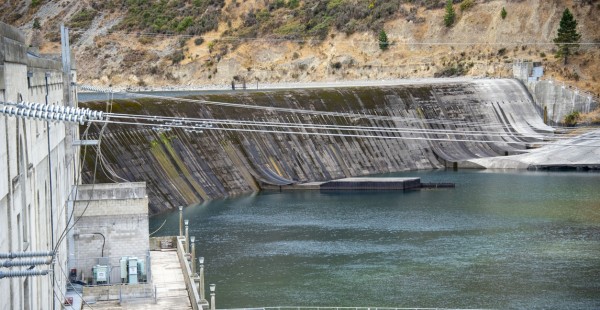
iStock image of Hydro station in Otago, New Zealand
The electricity system is already highly renewable, with approximately 85.5% of electricity generated from renewable sources in 2024, according to the latest Energy in New Zealand data from MBIE. Hydroelectricity, geothermal, wind and solar all play a significant role, and further renewable investment is underway and backup to support this increase will be important.
Why backup still matters
Rainfall affects hydro generation, wind conditions influence wind output and solar generation depends on daylight and cloud cover. At times, such as during extended dry periods or cold winter evenings, additional support is needed to help keep the system balanced and reliable. This is a common feature of electricity systems that rely heavily on renewable generation such as here in New Zealand. Having backup options like gas in place helps ensure electricity remains available when it is needed most.
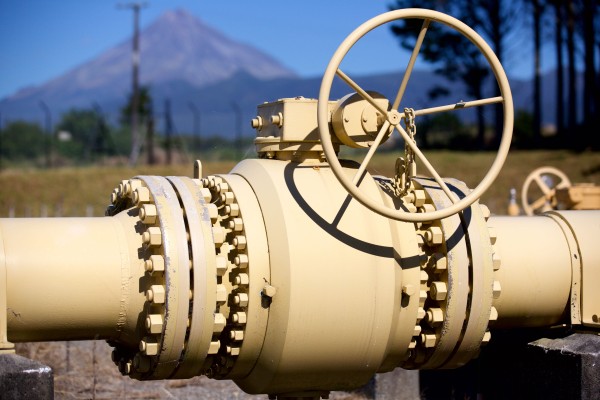
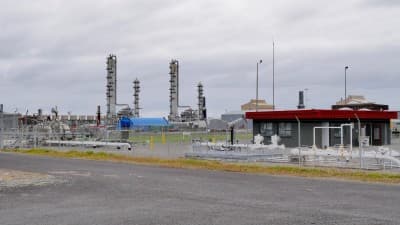
The Maui pipeline in Taranaki
The role gas plays
Gas is not a substitute for renewable energy, nor does it change the overall direction of New Zealand’s energy transition. Instead, it currently plays a supporting role, helping ensure energy remains reliable while new technologies and solutions continue to develop.
Gas-fired electricity generation is typically used as a backup, rather than as a constant source of power. Gas plants can respond quickly when renewable generation is lower than expected or when demand rises suddenly.
This flexibility makes gas well suited to supporting the electricity system during peak demand periods and dry years. Rather than replacing renewable generation, gas works alongside it, helping maintain balance and reliability when conditions are more challenging.
As Energy Minister Shane Jones recently noted, “Everyone wants to race to achieve 100 percent renewable electricity, but in the transitional period, we still need firm energy to keep the system working.”

Source: iStock image
Gas supply in context
While gas production in New Zealand is declining gradually, over time, there is currently no supply issue for residential customers and household use represents a relatively small share of overall gas demand.
Planning around gas supply is focused mainly on larger industrial users and on the role gas plays in supporting the renewable electricity system during periods of peak demand or lower renewable output. These discussions are about long-term system planning and resilience, rather than immediate supply concerns for households.
Looking to the future
As part of longer-term energy planning, a range of options are being considered to support the energy system through the transition. This includes looking at domestic gas supply, infrastructure development, and the potential role of liquefied natural gas (LNG). The Government has begun gathering information from the market on LNG import options as part of this planning. At this stage, the focus is on understanding whether LNG could play a role in supporting large-scale energy needs in the future, alongside continued investment in renewables, energy storage and demand management.
Emerging renewable gases, such as biomethane and green hydrogen, have the potential to play a growing role over time as technologies develop and scale. This means gas can continue supporting households and businesses, while the energy system becomes cleaner and more flexible. That’s the future we’re working toward. Energy that performs today and adapts for tomorrow.
Firstgas is part of a group of energy companies called Clarus, who invest in research and development in renewables and closely monitors international progress. Together with Clarus, Firstgas is helping chart a path toward cleaner, more efficient energy through solutions such as upgrading biogas into biomethane, and trialling hydrogen blending.
For more information visit: firstgas.co.nz/about-us/future-of-gas