New Zealand has an abundance of sunshine, wind and water, which means we can produce plenty of renewable energy. So why do we still use gas as a backup for our electricity grid?
Hydroelectricity is brilliant but it’s not a year round guarantee
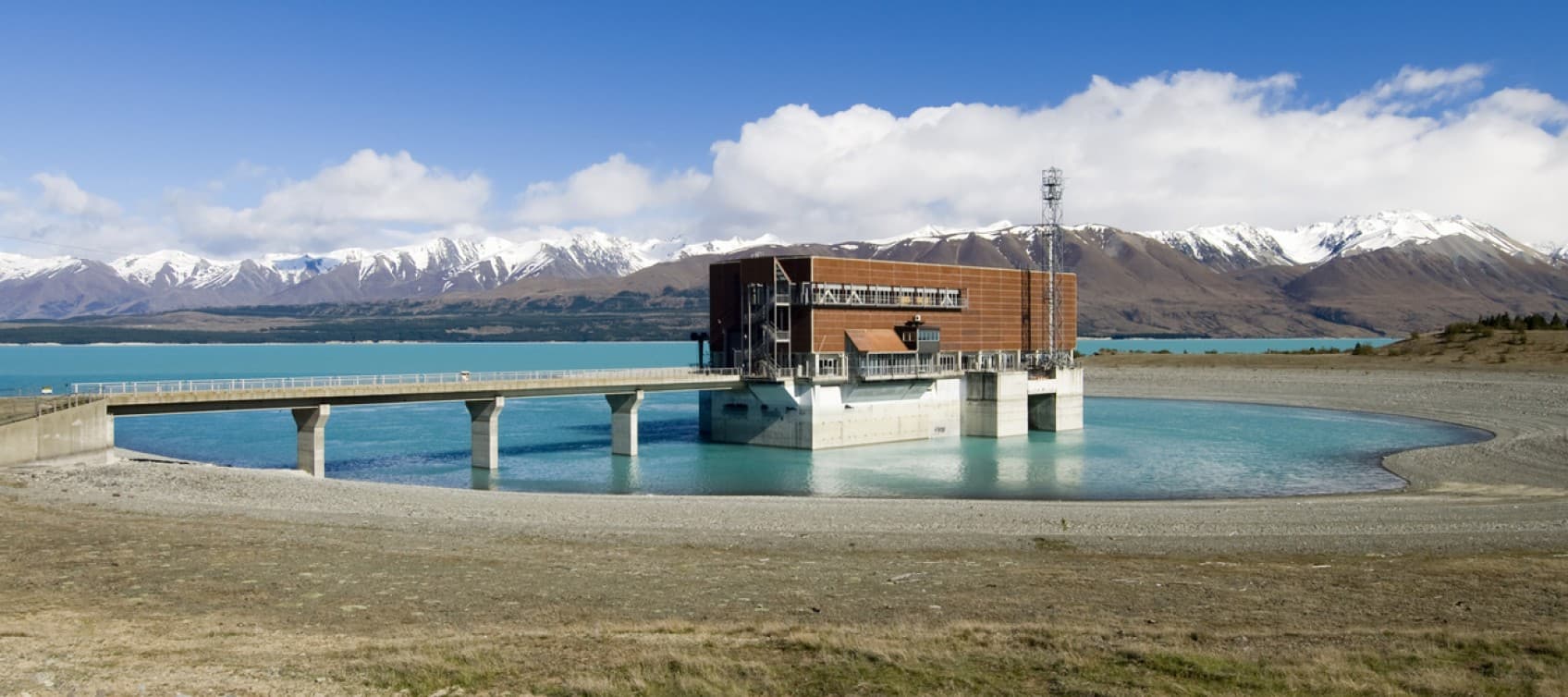
Hydroelectricity is a fantastic renewable power source that forms the backbone of our electricity system. Every year, hydro power delivers an average of 57% of New Zealand’s electricity and it’s reliable, storable and efficient.
However, it can’t provide 100% of what we need, because it depends on the weather. Our hydro lakes typically store around six to eight weeks’ worth of rainfall. If we experience a dry year, water levels in the lake fall. When lake levels are too low, hydro systems can’t generate as much power as usual and it becomes hard to meet demand.
Because the weather is unpredictable, we need ways to deal with this ‘dry year risk’. To prevent blackouts, we need a backup source of energy, and that’s where gas comes in.
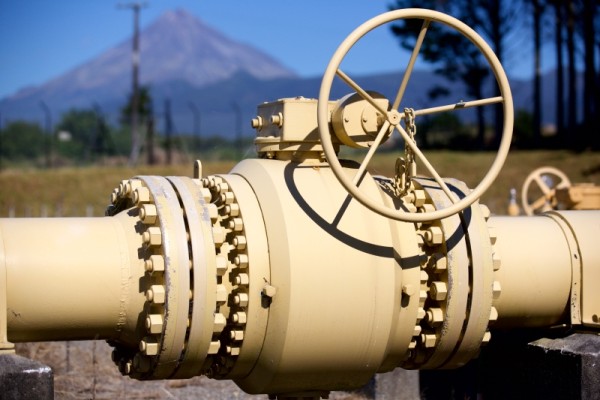
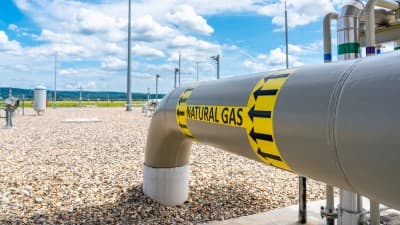
Maui pipeline
Why does natural gas work as a backup for the grid?
When lake levels run low, New Zealand needs to be able to keep the lights on and the cooktop running and the heater going. So, we need a backup solution that can ramp up quickly in response to when the lakes are low in a dry year.
Both the Huntly Power Station and the Stratford Power Station have gas turbine peaking units that can use natural gas to generate electricity within minutes. This lets them meet sudden spikes in demand, reduces the risk of blackouts and ensures Kiwi households have electricity, even when the system is under pressure.
For households, gas doesn’t replace electricity during a local outage, but it helps prevent outages by supporting overall system reliability.
Why can’t we just rely on renewable backup from solar and wind?
New Zealand is transitioning toward higher levels of renewable electricity generation. As a nation, we have enough new projects underway to achieve 95% renewable electricity by 2027 and 98% by 2030.
But we’re not yet ready to fully transition to renewables. If we did, we would be at risk of blackouts when we need electricity the most. In our homes, we tend to use more electricity in the mornings between 7 and 10am and in the evenings between 5 and 9pm. We also use more electricity in cold weather, so chilly winter nights are when electricity demand reaches its highest levels.
While New Zealand is doing a great job of generating more solar and wind energy, sunshine and wind don’t always coincide with when we need the most electricity. On a cold, clear winter night, solar and wind might not be able to contribute anything. This is when we most often need to rely on a backup energy source that’s available immediately, which is why gas is so valuable.

Source: iStock image
Gas helps keep the lights on for Kiwi homes
Firstgas delivers gas reliably to homes and businesses at short notice, making a crucial contribution to a secure energy supply throughout New Zealand and supporting the electricity system when fast responding generation is needed.
To learn more about what Firstgas is up to visit - firstgas.co.nz/content-hub.