Wondering what all the different items are on your gas bill? We can help with that. Let’s break down what your typical gas bill looks like, what the main line items mean, and what useful extras are included.
What are the line items on your natural gas bill?
Your piped natural gas bill comes from your energy retailer, not Firstgas and may include some of these common line items:
- Variable usage charge. This is the amount of gas you’ve used, in kilowatt hours (kWh). The amount might be based on a reading from your meter, or it might be an estimate based on how much gas you typically use.
- Daily fixed charge. This is a fixed amount charged each day, regardless of how much gas you use.
- Energy combo discount. When you’re signed up to an energy provider that also supplies your electricity, you might get a discount based on your bundle or combo of energy types.
The amount you pay your gas retailer covers several different costs, including the gas, transporting it through New Zealand’s transmission network and local distribution network and your retailer’s costs.
Your gas bill may also include other charges or discounts, depending on your retailer and plan. Some of the price you pay also goes towards industry costs, including the levy that funds Gas Industry Co, New Zealand’s gas industry body.
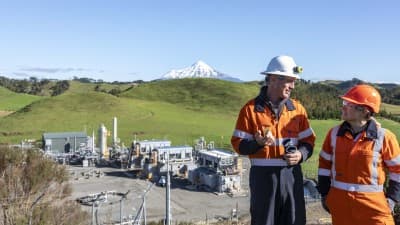
Firstgas owns and operates much of New Zealand’s natural gas transmission network, as well as local gas distribution networks in parts of the North Island. Firstgas does not send household gas bills directly to customers. Instead, the cost of transporting gas through our networks forms part of the price you pay your energy retailer.
The useful extras on your gas invoice

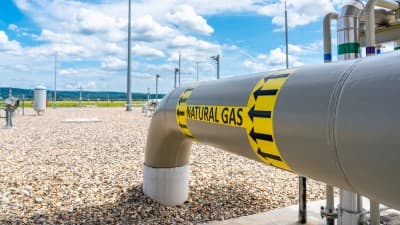
Source: iStock image
Your invoice doesn’t only include charges, it’s also got some useful extra information that can help you manage your account, your use and any issues. This includes:
- Your customer number, which you’ll need to quote if you’re contacting your supplier with a query about your gas or your bill.
- Your ICP number, a unique identifier for your gas connection. You can use this to find information about your gas connection, including your retailer and network.
- Your bill or invoice number, which is very helpful if you’re contacting your retailer about a specific bill.
- Details about ways to pay and the due date for payment.
- Usually, a graph showing your monthly usage over the year. This is helpful for spotting seasonal trends and unusual spikes, or to see if your efforts to use less energy are paying off.
- Information about what to do if you have a fault, a question, or you’re struggling to pay your invoice. All New Zealand’s energy providers have a responsibility to help you resolve your payment difficulties, from setting up payment plans to referring you to support services.
The future of gas
Natural gas continues to be an important part of New Zealand’s energy mix, used by homes, businesses and industry and to support electricity generation when it’s needed.
At the same time, the gas sector is changing. Clarus is working on ways to make use of our existing gas infrastructure as New Zealand transitions to a lower-emissions energy system, including developing renewable gases such as biomethane and exploring the potential for hydrogen.
You can learn more about the future of gas and the work we’re doing here.