When it comes to using gas more efficiently at home for cooking, heating and hot water, it’s easy to think you need to make big changes to see a difference. In reality, it’s often the small, everyday habits that add up over time without sacrificing comfort.
Small changes for smarter cooking
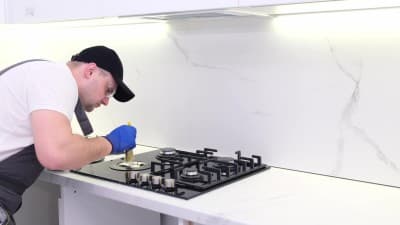
The kitchen is one of the busiest energy zones in the home, but it’s also where a few simple habits can go a long way.
Matching your pot to the element helps avoid heat loss and ensures energy is used effectively. Keeping lids on when you can traps heat and reduces cooking time, especially for things like boiling water, soups and stews.
Using the right heat level by turning the heat down to a simmer when something reaches boiling, saves energy and prevents overcooking.
Gas cooking offers immediate control, so you can quickly adjust the flame to suit what you’re cooking, whether that’s a fast stir-fry or a gentle simmer.
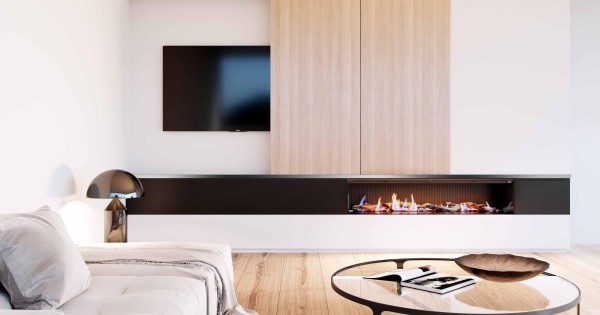
Rinnai gas fire place heating up the home
Staying warm, efficiently around the home
As the weather cools, heating becomes a bigger part of daily life. Staying warm doesn’t have to mean using more energy than you need. Heat the spaces you use most and focus on warming the rooms you spend the most time in, rather than the whole house.
Keep warmth in with some simple steps like closing curtains at dusk and sealing drafts around doors and windows can help retain heat. Adding an extra layer of clothing or a blanket can take the edge off before reaching for the thermostat to turn up the heat.
Be mindful of timing as heating your home just before you need it, rather than leaving it on all day, can help reduce unnecessary energy use.
Sourced: iStock
Small changes to hot water use makes a difference
Hot water is one of the biggest energy users in the home, so small changes here can make a noticeable difference. Gas hot water systems heat water quickly and efficiently, so you’re not waiting around or using more energy than necessary.
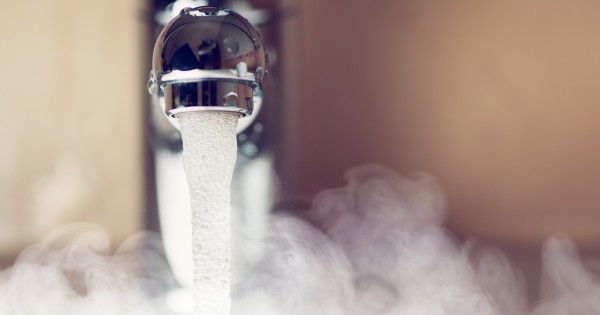
Keep showers efficient by shortening your shower even by a minute or two, which can reduce both energy and water use and fix drips and leaks. A dripping hot tap might seem minor, but over time it adds up to wasted water and energy.
A balanced approach to energy use
You don’t need a full home overhaul to be more energy efficient. Start with one or two changes, build from there, and find what works for you. Over time, those small shifts can help reduce energy use, support your household budget, and create a home that feels just right.