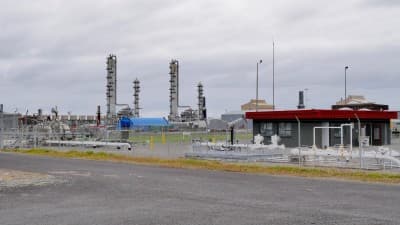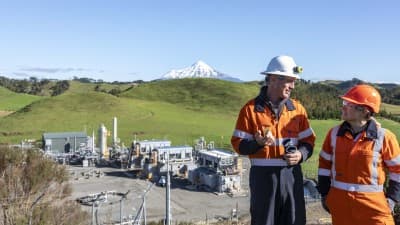
Gas has been in the headlines a lot lately and has likely left you with questions - Is gas running out? Why has the price of gas gone up? And why do we need gas if we have renewable electricity?
Here are answers to the questions we hear most often.
Is gas about to run out?
You don’t need to worry about gas suddenly running out. Gas is still being delivered safely and reliably to homes and businesses across New Zealand every day. What is true is that supply is shifting. New Zealand's existing gas fields are maturing and producing less over time, which is why there's ongoing public discussion about future investment in the energy system. But that's a long-term supply conversation, not an imminent shortage.
While over 300,000 homes and businesses, use natural gas for cooking, heating and hot water, residential users account for only around 4% of New Zealand’s total gas demand. Around 11,000 small commercial businesses rely on gas for precise temperature control and commercial cooking.
Large industrial users are a different story, they use much bigger volumes, so they're more exposed to changes in domestic supply, and many are already working through options for their future energy needs. Looking further ahead, renewable gases like biomethane, and potentially hydrogen over time, are expected to play a growing role alongside natural gas.
Is gas more expensive and why?
Just like electricity, gas prices have increased over the past few years. Across the energy sector, costs have increased due to inflation, higher operating costs and ongoing investment in pipeline infrastructure.. For natural gas, reduced supply from existing gas fields has also placed upward pressure on wholesale prices.
Electricity and gas costs will probably keep rising a little bit each year, but there have been policy and regulatory changes aimed at supporting investment and improving long-term energy security.
Source: iStock image
Why do they call gas the backbone of the energy sector?
There are two reasons:
Gas helps keep the lights on. When hydro lakes run low and renewables can't cover the gap, gas-fired turbines can start generating electricity within minutes. Roughly a third of New Zealand's gas goes toward electricity generation and co-generation. It kicks in when our energy supply needs it so that Kiwis don’t have to worry about the power going out.
Gas powers major New Zealand industries. Gas is used to manufacture Ballance fertilisers, runs dairy processing plants, and is essential to steel and glass producers and wood processors, which are all sectors that contribute significantly to the economy.
Should I switch to electricity now?
There’s no need to switch away from gas if you prefer using it for cooking, heating your home and ‘continuous’ hot water. Gas continues to be delivered safely and reliably to homes and businesses every day.
If you’re thinking about your energy options, the best approach is to consider what’s most practical and economical for your household. Think about your energy options and make sure you understand the upfront costs, ongoing costs, and reliability. Often the best time to make a switch is when your appliances need replacing, or you’re considering a renovation or new build.
Source: iStock image
If New Zealand has so much renewable electricity, why do we still need gas?
While we’re heading toward a future where our electricity grid is 100% powered by renewable energy, we’re not there yet. We don't yet have sufficient renewable generation and storage to fully cover dry years when hydro generation is lower than normal. Finding a renewable solution will need the right investment of time and money.
In the meantime, gas continues to play an important role in supporting New Zealand's energy system while more renewable generation and storage are developed. You can read more here.