Energy security means having a supply of energy you can rely on, ideally energy that’s being produced locally to meet local demand. It’s a major issue for any energy system, because you always want to have enough energy to keep the lights on for local homes and businesses.
But it’s an issue that goes much deeper than that because energy security can support economic growth and help reduce poverty. When you have a reliable, affordable energy system, your economy can grow. On the flip side, when energy prices and supply are unstable, the economy is less stable, too.
In the winter of 2024, we saw New Zealand’s energy system pushed right to the limit. Too little rain, not much wind and constrained gas supplies drove wholesale electricity prices up to more than $800 per megawatt-hour.
This year, we’ve seen first-hand that an energy price spike, like the rising cost of oil, can have a negative impact on New Zealand’s economy. High fuel prices have hurt consumers and dented business confidence. When energy prices go up, we pay more. Higher energy prices can flow through to the cost of electricity, food, clothing, travel and imported goods.

Source: iStock image
Fuel is New Zealand’s biggest import
New Zealand relies on imported energy – we can’t run our country without it. However, New Zealand’s geographic isolation and reliance on imported fuels leave us exposed to global supply disruptions and price fluctuations. It costs a lot of money to ship energy all the way here, whether it’s oil or coal.
New Zealand spends billions of dollars each year on imported fuels to meet domestic energy demand. Oil products – mainly petrol and diesel – are currently our largest import. We spent $12.1 billion on oil in the year to June 2026, which offset the export earnings from a record year of meat exports – this also required a link to the evidence it was a record year, according to Newswire.
But it doesn’t have to be this way. New Zealand is rich in natural resources, particularly hydro and wind energy. As we increase our generation of renewable energy, we can reduce our reliance on imported oil. We also have other natural fuel resources that can help meet the high-heat needs of local industrial processing companies, including natural gas and potentially natural hydrogen gas. That’s why the Government has recently announced $40.5 million in funding for two gas exploration projects and another $17.8 million for research into natural hydrogen resources.
What could improved energy security do for our economy?
If New Zealand could create more energy sources locally and reduce our reliance on imported fuels, the the potential benefits could include:
- Overseas energy price spikes causing less economic damage.
- More energy expenditure retained within the New Zealand economy.
- Reduced exposure to international fuel price shocks.
- Potentially more stable energy prices for households.
- More jobs in the local economy as we increase the number and capacity of generation sites.
- Greater certainty around energy costs for businesses.
- Support for a more secure, affordable and lower-carbon energy future.
- Opportunities to reduce carbon emissions through greater use of lower-carbon energy sources.
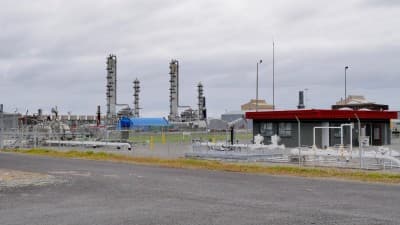
New Zealand’s existing natural gas supply and infrastructure also play an important role in energy security. Natural gas supports industrial production and provides flexibility for electricity generation when renewable generation is low. Maintaining reliable energy infrastructure, alongside investment in new energy sources, can help support New Zealand’s economy.
MBIE is aiming to improve energy security provide better economic stability and ensure the nation’s autonomy. But it’s not an easy job. It will take considerable investment in our entire energy system, over many years.