
There’s been a lot of conversation about gas lately. The bottom line is homes and businesses using natural gas accounts for only a small share of NZ’s total gas supply. At Firstgas, we continue to invest in and maintain our network so we can deliver gas safely and reliably for years to come.

You don’t need to worry about gas suddenly running out

What this means for gas customers
- No need to stop using gas: If customers use natural gas for cooking, heating or hot water, they can feel confident it will still be there when they need it.
- Households and businesses use a small share: Over 300,000 homes and businesses use natural gas, but together they account for only a small share of NZ’s gas supply. Most gas in New Zealand is used by large industrial users, which means households are a relatively small part of overall demand.
- Price is the main change: Like electricity, the biggest change over time is likely to be cost, rather than availability of gas for most homes and businesses.
Advice for customers – don’t panic, plan ahead
There’s no need to rush into big decisions about changing energy supply. If people need to upgrade appliances, the most cost-effective time to do so is during renovations, new builds, or when the appliances reach the end of their life.
Why gas still matters
A reliable energy system uses different solutions together. Gas plays an important role in supporting New Zealand’s electricity system, especially in winter or when renewable generation is low. Gas will continue to play an important role as New Zealand’s energy system evolves alongside a range of other energy options, including LNG to support electricity generation, and renewable gas in the future.
Gas helps power New Zealand’s economy
Gas is essential for many commercial and industrial businesses across New Zealand. From food production and manufacturing to hospitals, schools and hospitality, gas helps keep businesses operating and communities supported every day.
Gas is a reliable energy choice for Kiwi homes and businesses
Gas networks remain a vital part of New Zealand’s energy infrastructure and are expected to continue supporting homes and businesses for many years. Residential customers use only a small share of total gas supply, while relying on it every day for hot water, cooking and heating.
Frequently asked questions
Natural gas continues to be delivered safely and reliably to homes and businesses across New Zealand every day. Gas remains an important part of New Zealand’s energy system and continues to support households, businesses and essential services nationwide.
While there has been increased public discussion about the future of gas, there is no indication that gas will suddenly “run out” for residential customers or small businesses. Around 300,000 homes and businesses currently use natural gas, and together they account for only a small share of NZ’s total gas supply. Firstgas continues to invest in and maintain the gas network to help ensure ongoing safe and reliable supply for customers.
For most households and businesses, the biggest change over time is more likely to be the cost of energy rather than the immediate availability of gas.
Customers can continue using their gas appliances for cooking, heating and hot water with confidence. There is no need to urgently replace working gas appliances or make rushed decisions about changing energy sources.
Gas also remains important for many commercial and industrial businesses across New Zealand, including food production, manufacturing, hospitality, schools and hospitals.
The best approach is to plan ahead, not panic.
Customers should consider their energy options over time and make decisions when it makes practical and financial sense, such as during renovations, new builds, or when existing appliances reach the end of their life.
Every household and business has different energy needs, so it’s important to understand:
‒ Upfront appliance and installation costs
‒ Ongoing running costs
‒ Performance and reliability needs
‒ Available energy options in their area
Taking a planned approach helps customers make informed decisions without unnecessary pressure or expense.
Gas is expected to continue playing an important role alongside renewable electricity and other emerging energy solutions. New Zealand needs a balanced and reliable energy system. Gas helps support the electricity network by providing flexible generation during periods of peak demand or when renewable generation is low, such as during winter or dry years.
As New Zealand’s energy system evolves, gas infrastructure may also support future energy options, including renewable gas and LNG to support electricity generation. A mix of energy sources working together helps support reliability and resilience for homes and businesses.
Renewable electricity is a critical part of New Zealand’s future energy system, but no single energy source can meet all demand at all times. Gas helps provide backup generation and flexibility when renewable supply is lower or demand is high.
No. Customers should replace appliances at the right time for their household or business needs, typically during renovations, upgrades or end-of-life replacement cycles.
Most gas is used by large industrial and commercial users. Residential and business customers together account for a small share of New Zealand’s total natural gas use.
Yes. Firstgas continues to maintain and invest in its gas network to support safe and reliable delivery for customers now and into the future as natural gas still has an important role as the nation transitions to renewable energies, including renewable gas or other energy forms. To get there, Firstgas is part of a group of energy companies called Clarus, who invest in research and development in renewables, and closely monitor international progress. Together with Clarus, Firstgas is helping chart a path toward cleaner, more efficient energy through solutions such as upgrading biogas into biomethane, and trialling hydrogen blending.
Yes. Gas and renewable electricity work together as part of a balanced energy system. Gas supports electricity generation when renewable output is low and helps maintain reliability during peak demand periods.
What does Methanex’s closure mean for New Zealand's gas supply?
Methanex's decision to close its New Zealand operations has raised questions about what this means for the country's natural gas supply, prices and future energy security.
While the closure is expected to make more gas available in the short term, it doesn't create new supply or change the longer-term decline in domestic gas production.
Here we answer some common questions about what this means for businesses using natural gas.
Methanex has been one of New Zealand's largest natural gas users. Its closure is expected to reduce demand for gas, making more available to other users in the short term.
However, this doesn't mean New Zealand has discovered more gas or that domestic production is increasing. Gas production is continuing to decline, and the country will need to manage this as its energy needs evolve.
No. For most smaller businesses, there is no immediate need to stop using natural gas because of Methanex's closure or concerns about declining domestic production.
Smaller businesses use relatively modest volumes of gas compared with major industrial users such as Methanex.
Natural gas continues to be delivered safely and reliably through the Firstgas network. Businesses can continue using their existing gas appliances and equipment while considering their longer-term energy needs as part of normal business planning.
Not necessarily. While reduced demand may ease some pressure on gas availability in the short term, this doesn't automatically translate into lower prices for businesses.
Gas prices are influenced by several factors, including supply contracts, production costs, demand, network charges and retailer costs.
The impact on individual businesses will depend on their gas supply arrangements and pricing structures.
Methanex's closure is expected to provide some breathing room in the gas market, but the outlook for winter 2027 will depend on several factors.
These include how much gas is produced and available, electricity demand and the availability of renewable electricity generation.
Gas remains important for both direct users, including businesses and households, and electricity generation during periods of high demand.
New Zealand needs more renewable electricity generation, but it also needs reliable energy sources that can respond when renewable generation isn't sufficient.
Gas-fired electricity generation provides flexibility during periods of low wind, low hydro storage or high electricity demand.
Gas also continues to supply homes and businesses directly, supporting activities such as heating, hot water, cooking and industrial processes.
It's not a choice between gas and renewables. Both have roles to play in maintaining a reliable energy system as New Zealand transitions towards lower-emissions energy.
With Methanex using less gas, more may be available for electricity generation and other users in the short term.
However, Methanex has also played an important role in supporting the electricity system by reducing its own production and making contracted gas available during periods when electricity demand was high or supply was constrained.
Its closure changes how gas is used in the market but doesn't remove the need for flexible electricity generation.
Liquefied natural gas (LNG) is being considered as a potential back-up supply to help manage the longer-term decline in domestic natural gas production.
Methanex's closure may ease pressure on gas availability in the near term, but domestic production is still expected to tighten over time.
The Government has been exploring an LNG import facility that could be available from around 2028 to help support energy security, particularly during periods of high demand or constrained supply.
Questions about the Government's LNG procurement process should be directed to the Ministry of Business, Innovation and Employment (MBIE).
Methanex has been a major industrial employer and contributor to the Taranaki economy.
Its closure has significant implications for local employment, businesses and the wider regional economy. It also raises broader questions about New Zealand's ability to retain energy-intensive industries and attract future investment.
While reduced gas demand may provide short-term relief for other users, the loss of a major industrial business is not a positive outcome for New Zealand.
New Zealand's domestic natural gas production is declining, and the way gas is used across the economy is changing.
In the near term, gas will continue to play an important role in supplying homes and businesses and supporting reliable electricity generation.
Maintaining energy security will require a combination of domestic gas supply, flexible generation, renewable energy, storage and potentially additional sources of gas.
For businesses, the important thing is to stay informed and consider future energy needs when making longer-term investment and equipment decisions.
Related Articles
View All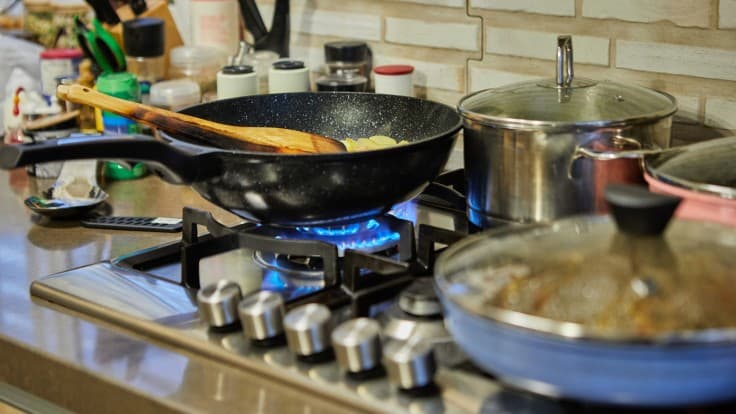
Gas vs induction cooktops - which is best for your home?
Thinking about replacing your cooktop? You might be wondering whether gas or induction is the best option for your kitchen. Both have their advantages, from cooking performance to installation and running costs. Here's what to consider when choosing the right cooktop for your home.
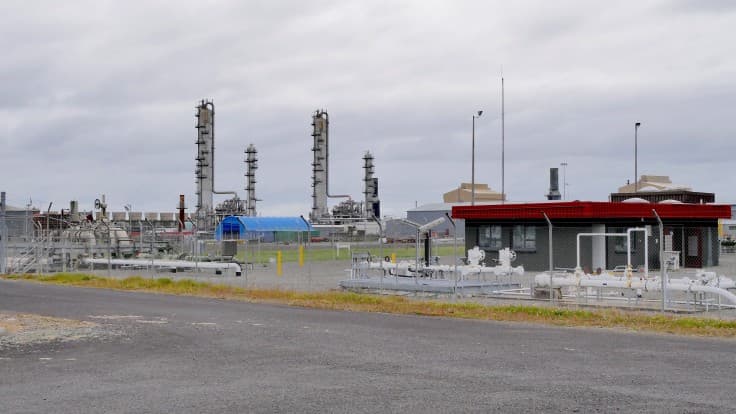
What does Methanex's closure mean for New Zealand's gas supply?
Canadian company Methanex has been New Zealand’s largest natural gas user for many years. However, with New Zealand's natural gas supply declining, Methanex announced in September that it would cease production in New Zealand. It will indefinitely idle its production facilities from March, and it has sold most of its gas contracts to local energy providers.
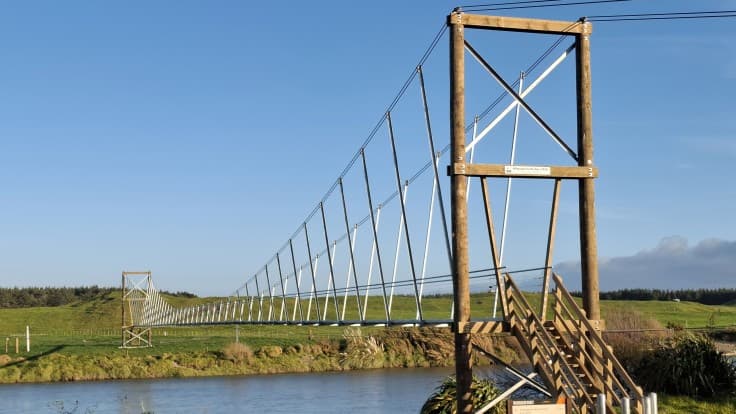
Firstgas helps bridge the gap for Te Araroa walkers
A new suspension bridge over the Whangaehu River is making the Te Araroa Trail safer and more enjoyable for walkers, thanks in part to support from Firstgas. The 120-metre bridge, near Whanganui, has officially opened, providing an important new connection along New Zealand's 3,000-kilometre walking trail.

Taranaki waka ama crew makes world's top ten
Funding from Firstgas, part of Clarus has helped a Taranaki waka ama crew take on some of the world’s best at the International Va’a Federation World Sprint Championships in Singapore.The crew competed in the Master Women’s 40-50 age group division in a W12 event at the championships in August, representing Taranaki on the international stage.
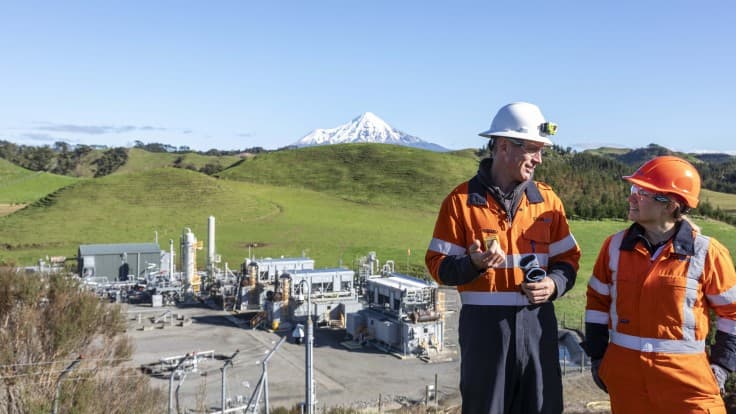
What helps keep New Zealand’s electricity system reliable?
It’s good news for New Zealand’s electricity system as we head into the final months of 2026. Transpower’s latest Energy Security Outlook shows national hydro storage sitting well above historic averages at 133%, with South Island storage at 142%.
Fee removed to encourage underground gas storage
The Government has announced it will remove one of the costs that holds back gas storage development in New Zealand. Currently, developers pay royalties for ‘cushion gas’, which sits in an underground storage facility to maintain total gas pressure. Cushion gas can’t be sold or extracted, but currently requires a 5% fee to be paid on its estimated value.

Why Kiwi businesses rely on gas
When your business needs fast, consistent and controllable energy, natural gas can be a great choice, which is why more than 16,000 New Zealand businesses rely on gas. For many businesses, gas provides energy that is responsive and easy to control. It can heat large spaces, cook with precision and provide continuous hot water, generate steam and support industrial processes that require high temperatures.
How gas storage helps support a reliable electricity system
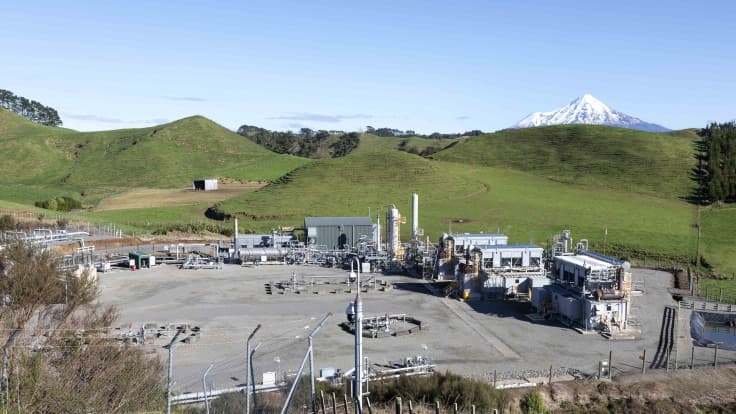
When New Zealand's energy system needs gas at short notice, one of the country's most important energy assets - the Ahuroa Gas Storage Facility (AGS) is like a giant underground energy battery, quietly working behind the scenes to help keep the lights on across the country.